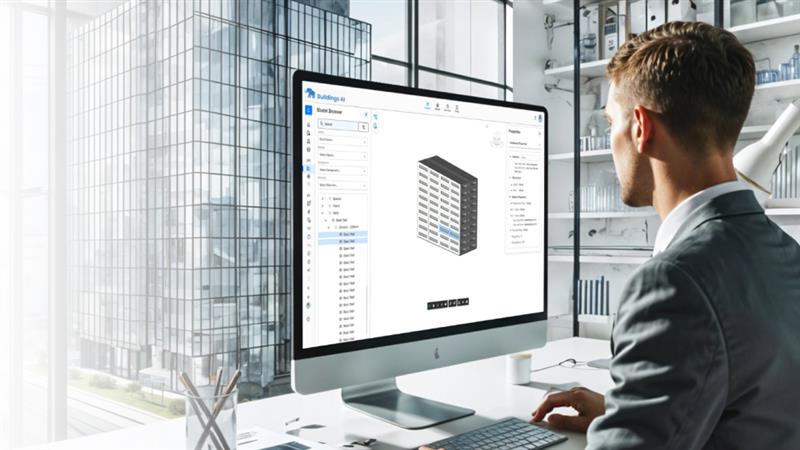
Buildings AI 2027 Release Event
Join us for the Buildings AI 2027 Release Event as we unveil the latest capabilities, demonstrate new workflows, and explore how engineering teams can build models faster, reduce repetitive work, and create more connected building energy workflows.
Wednesday, September 2nd, 2026
8:30 pm IST | 11:00 am EDT
Register Now
Overview
Building performance modeling often begins long before simulation does. Engineers first need to interpret architectural drawings, build geometry, define spaces, assign materials, configure schedules, and prepare the model before they can even begin evaluating performance.
Buildings AI 2027 is designed to change that workflow.
Buildings AI 2027 is designed to change that workflow.
The Buildings AI 2027 Release marks a new step forward in whole-building performance modeling, bringing AI, simulation, and interoperability together in a more connected workflow. Powered by Agentic AI and EnergyPlus, Buildings AI helps engineering teams move more efficiently from architectural information to simulation-ready models and meaningful performance insights.
The latest 2026 release makes this workflow easier to navigate with capabilities such as PDF2BIM and Revit imports, Digital Twin exports, developer APIs, HVAC Canvas and AI-assisted model setup. From assigning materials, schedules, and space types to generating custom, branded reports, Buildings AI reduces repetitive work while giving engineers more time to focus on analysis and design decisions.
During this launch event, explore the capabilities behind Buildings AI 2027, see the new workflows in action, and discover how AI-powered assistance and seamless interoperability can transform the way building performance models are created, analyzed, and delivered.
What You’ll Learn
- How Buildings AI 2027 changes the way engineers approach whole-building performance modeling.
- How architectural information can move more seamlessly into simulation-ready building models.
- How AI assistance can guide key modeling decisions and reduce repetitive setup work.
- How Buildings AI seamlessly fits into existing workflows and connects project information.
- How intelligent reporting can simplify the final step from simulation results to professional deliverables.
Who should attend?
- HVAC Engineers and MEP Consultants looking to make building energy modeling faster and more efficient.
- Building Performance and Energy Engineers working with increasingly complex modeling workflows.
- BIM and Design Professionals looking to connect architectural information with building performance analysis.
- Sustainability and Energy Consultants seeking a more streamlined approach to whole-building simulation.
- Engineering and Technology Leaders exploring practical applications of AI in building performance workflows.
- Building Owners and Facility Teams seeking better insights into building performance and energy efficiency.
Featured Speakers
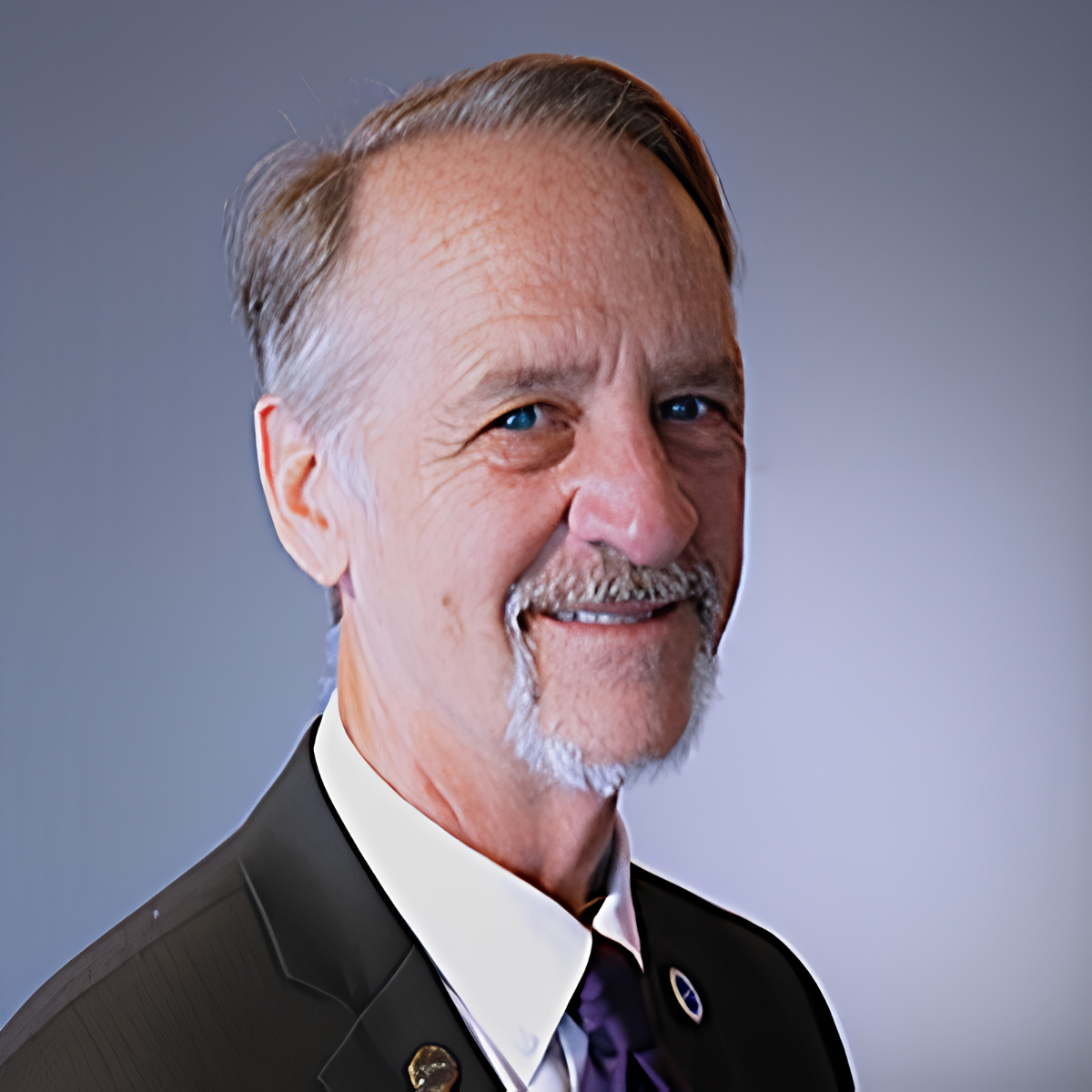
Thomas Lawrence
Ph.D., Professor of Practice Emeritus - University of Georgia
Thomas is a Professor of Practice Emeritus at the University of Georgia with extensive experience in mechanical engineering, energy, and sustainable building practices. He holds a PhD in Mechanical Engineering from Purdue University and has contributed to engineering education through teaching, research, and program leadership. Thomas has been an active ASHRAE volunteer for more than 25 years, serving as a Distinguished Lecturer and contributing to the ASHRAE Handbook Committee. He has also served on the board of Athens Area Habitat for Humanity. Thomas is passionate about advancing energy efficiency and sustainable solutions for the built environment through education, research, and industry collaboration.

Sandip Jadhav
CEO
CCTech
Sandip Jadhav is a Pragmatic Digital Transformation Leader and the CEO of CCTech, with more than 26 years of experience in product development across the CAx space. He has co-founded CCTech, LearnCAx, Zeus Numerix, and Adaptive 3D Technologies, contributing to the development of CAD, CAM, and CFD technologies. He is also a member of ASHRAE and the American Institute of Architects (AIA), with a focus on advancing HVAC practices, thermal comfort, indoor air quality, and AI-driven engineering solutions